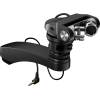
Studioaufnahmen, Videovertonung oder Podcasts: Die Wahl des Mikrofons orientiert sich immer am konkreten Einsatzzweck.
Unsere Mikrofone-Bestenliste wurde von unserer unabhängigen Redaktion erstellt und fußt auf zwei Säulen: Tests der Fachmagazine und Meinungen von Kundinnen und Kunden.

Diese Quellen haben wir neutral ausgewertet:

  • und 94 weitere Magazine

Mikrofone Bestenliste

Filter

Preis

bis

Typ

Anschluss

  • Klinke (3,5 mm) (162)
  • USB (198)
  • XLR (306)
  • Klinke (6,3 mm) (7)
  • Lightning (18)
  • Tuchel (1)

Richtcharakteristik

  • Bidirektional (Acht) (79)
  • Breite Niere (13)
  • Direktional (Keule) (23)
  • Hyperniere (22)
  • Niere (389)
  • Omnidirektional (Kugel) (161)
  • Superniere (111)
  • Stereo (73)

Hersteller

  • Besonders beliebt
  • Rode Microphones (47)
  • Audio-Technica (35)
  • Shure (33)
  • Beyerdynamic (33)
  • AKG (30)
  • Thomann (28)
  • Sennheiser (26)
  • SE Electronics (23)
  • Sony (21)

Technologie

Testsieger

Neuester Testbericht

Getestet von

Modell

Beliebte Filter: Anschluss

USB

752 Ergebnisse entsprechen den Suchkriterien

  • Mikrofon im Test: MiniFuse Recording Pack von Arturia, Testberichte.de-Note: 1.5 Sehr gut

    Sehr gut

    1,5

    Arturia MiniFuse Recording Pack

    • Typ: Pod­cast­mi­kro­fon, Instru­men­ten­mi­kro­fon, Gesangs­mi­kro­fon
    • Tech­no­lo­gie: Kon­den­sa­tor
    • Richt­cha­rak­te­ris­tik: Niere
    Home­re­cor­ding-​Ein­stieg leicht gemacht
  • Wir arbeiten unabhängig und neutral. Wenn Sie auf ein verlinktes Shop-Angebot klicken, unterstützen Sie uns dabei. Wir erhalten dann ggf. eine Vergütung. Mehr erfahren

  • Mikrofon im Test: TLM 107 von Neumann, Testberichte.de-Note: 1.0 Sehr gut

    Sehr gut

    1,0

    Neumann TLM 107

    • Typ: Instru­men­ten­mi­kro­fon, Gesangs­mi­kro­fon
    • Tech­no­lo­gie: Kon­den­sa­tor
    • Richt­cha­rak­te­ris­tik: Bidi­rek­tio­nal (Acht), Breite Niere, Hyper­niere, Niere, Omni­di­rek­tio­nal (Kugel)
  • Mikrofon im Test: Live Streamer MIC 330 von AVerMedia, Testberichte.de-Note: 1.7 Gut

    Gut

    1,7

    AVerMedia Live Streamer MIC 330

    • Typ: Pod­cast­mi­kro­fon
    • Tech­no­lo­gie: Dyna­misch
    • Richt­cha­rak­te­ris­tik: Niere
    Broad­cas­ter auf­ge­passt!
  • Mikrofon im Test: DM-58-B von Pronomic, Testberichte.de-Note: 1.7 Gut

    Gut

    1,7

    Pronomic DM-58-B

    • Typ: Gesangs­mi­kro­fon
    • Tech­no­lo­gie: Dyna­misch
    • Richt­cha­rak­te­ris­tik: Super­niere
  • Mikrofon im Test: EM-99B von Mackie, Testberichte.de-Note: 1.2 Sehr gut

    Sehr gut

    1,2

    Mackie EM-99B

    • Typ: Pod­cast­mi­kro­fon, Tisch­mi­kro­fon
    • Tech­no­lo­gie: Dyna­misch
    • Richt­cha­rak­te­ris­tik: Niere
    Pod­cast-​Mikro­fon für Ein­stei­ger mit hohem Out­put
  • Mikrofon im Test: ZDM-1 Podcast Mic Pack von Zoom, Testberichte.de-Note: 1.7 Gut

    Gut

    1,7

    Zoom ZDM-1 Podcast Mic Pack

    • Typ: Pod­cast­mi­kro­fon, Tisch­mi­kro­fon
    • Tech­no­lo­gie: Dyna­misch
    • Richt­cha­rak­te­ris­tik: Super­niere
    Pod­cast-​Set für alle, die schon einen Recor­der haben
  • Mikrofon im Test: Lark 150 Duo Kit von Hollyland, Testberichte.de-Note: 1.0 Sehr gut

    Sehr gut

    1,0

    Hollyland Lark 150 Duo Kit

    • Typ: Kamera-​Mikro­fon, Funk­mi­kro­fon, Ansteck­mi­kro­fon
    • Richt­cha­rak­te­ris­tik: Omni­di­rek­tio­nal (Kugel)
    • Anschluss: Klinke (3,5 mm)
    Üppi­ger Lie­fe­r­um­fang, guter Klang, hohe Reich­weite
  • Mikrofon im Test: V3 von SE Electronics, Testberichte.de-Note: 1.7 Gut

    Gut

    1,7

    SE Electronics V3

    • Typ: Gesangs­mi­kro­fon
    • Tech­no­lo­gie: Dyna­misch
    • Richt­cha­rak­te­ris­tik: Niere
  • Mikrofon im Test: ECM8000 von Behringer, Testberichte.de-Note: 1.7 Gut

    Gut

    1,7

    Behringer ECM8000

    • Typ: Richt­mi­kro­fon
    • Tech­no­lo­gie: Elek­tret, Kon­den­sa­tor
    • Richt­cha­rak­te­ris­tik: Omni­di­rek­tio­nal (Kugel)
  • Mikrofon im Test: MCE 85 BA von Beyerdynamic, Testberichte.de-Note: 1.1 Sehr gut

    Sehr gut

    1,1

    Beyerdynamic MCE 85 BA

    • Typ: Kamera-​Mikro­fon, Richt­mi­kro­fon
    • Tech­no­lo­gie: Elek­tret, Kon­den­sa­tor
    • Richt­cha­rak­te­ris­tik: Super­niere, Direk­tio­nal (Keule)
  • Mikrofon im Test: EM-95ML von Mackie, Testberichte.de-Note: 1.8 Gut

    Gut

    1,8

    Mackie EM-95ML

    • Typ: Kamera-​Mikro­fon, Handy-​Mikro­fon, Ansteck­mi­kro­fon
    • Tech­no­lo­gie: Kon­den­sa­tor
    • Richt­cha­rak­te­ris­tik: Omni­di­rek­tio­nal (Kugel)
    Kabel­ge­bun­de­nes Lava­lier­mi­kro­fon mit gutem Klang
  • Mikrofon im Test: Wireless Go II Single Set von Rode Microphones, Testberichte.de-Note: 1.3 Sehr gut

    Sehr gut

    1,3

    Rode Microphones Wireless Go II Single Set

    • Typ: Kamera-​Mikro­fon, Funk­mi­kro­fon
    • Richt­cha­rak­te­ris­tik: Omni­di­rek­tio­nal (Kugel)
    • Anschluss: Klinke (3,5 mm), USB
    Auch mit einem Sen­der gran­dios
  • Mikrofon im Test: Motiv MV51 von Shure, Testberichte.de-Note: 1.5 Sehr gut

    Sehr gut

    1,5

    Shure Motiv MV51

    • Typ: Tisch­mi­kro­fon, Instru­men­ten­mi­kro­fon, Gesangs­mi­kro­fon
    • Tech­no­lo­gie: Kon­den­sa­tor
    • Richt­cha­rak­te­ris­tik: Niere
  • Mikrofon im Test: MK 4 digital von Sennheiser, Testberichte.de-Note: 1.3 Sehr gut

    Sehr gut

    1,3

    Sennheiser MK 4 digital

    • Typ: Pod­cast­mi­kro­fon, Instru­men­ten­mi­kro­fon, Gesangs­mi­kro­fon
    • Tech­no­lo­gie: Kon­den­sa­tor
    • Richt­cha­rak­te­ris­tik: Niere
  • Mikrofon im Test: B-5 von Behringer, Testberichte.de-Note: 1.9 Gut

    Gut

    1,9

    Behringer B-5

    • Typ: Instru­men­ten­mi­kro­fon
    • Tech­no­lo­gie: Kon­den­sa­tor
    • Richt­cha­rak­te­ris­tik: Niere, Omni­di­rek­tio­nal (Kugel)
  • Mikrofon im Test: MKE 400 von Sennheiser, Testberichte.de-Note: 1.8 Gut

    Gut

    1,8

    Sennheiser MKE 400

    • Typ: Kamera-​Mikro­fon, Richt­mi­kro­fon
    • Richt­cha­rak­te­ris­tik: Super­niere, Direk­tio­nal (Keule)
    • Anschluss: Klinke (3,5 mm)
  • Mikrofon im Test: MIC-900B von Auna, Testberichte.de-Note: 2.0 Gut

    Gut

    2,0

    Auna MIC-900B

    • Typ: Pod­cast­mi­kro­fon, Gesangs­mi­kro­fon
    • Tech­no­lo­gie: Kon­den­sa­tor
    • Richt­cha­rak­te­ris­tik: Niere
  • Mikrofon im Test: MCE 72 CAM von Beyerdynamic, Testberichte.de-Note: 1.6 Gut

    Gut

    1,6

    Beyerdynamic MCE 72 CAM

    • Typ: Kamera-​Mikro­fon, Instru­men­ten­mi­kro­fon
    • Tech­no­lo­gie: Kon­den­sa­tor
    • Richt­cha­rak­te­ris­tik: Niere
  • Mikrofon im Test: AU-PM421 von Maono, Testberichte.de-Note: 1.6 Gut

    Gut

    1,6

    Maono AU-PM421

    • Typ: Pod­cast­mi­kro­fon
    • Tech­no­lo­gie: Kon­den­sa­tor
    • Richt­cha­rak­te­ris­tik: Niere
    Gutes Ver­hält­nis zwi­schen Preis und Leis­tung
  • Mikrofon im Test: DMW-MS2 von Panasonic, Testberichte.de-Note: 2.4 Gut

    Gut

    2,4

    Panasonic DMW-MS2

    • Typ: Richt­mi­kro­fon
    • Tech­no­lo­gie: Kon­den­sa­tor
    • Richt­cha­rak­te­ris­tik: Ste­reo, Super­niere, Niere
  • Mikrofon im Test: MiC+ von Apogee Acoustics, Testberichte.de-Note: 1.7 Gut

    Gut

    1,7

    Apogee Acoustics MiC+

    • Typ: Pod­cast­mi­kro­fon, Instru­men­ten­mi­kro­fon, Gesangs­mi­kro­fon
    • Tech­no­lo­gie: Kon­den­sa­tor
    • Richt­cha­rak­te­ris­tik: Niere
  • Mikrofon im Test: HypeMiC von Apogee Electronics, Testberichte.de-Note: 1.5 Sehr gut

    Sehr gut

    1,5

    Apogee Electronics HypeMiC

    • Typ: Pod­cast­mi­kro­fon, Tisch­mi­kro­fon, Instru­men­ten­mi­kro­fon, Gesangs­mi­kro­fon
    • Tech­no­lo­gie: Kon­den­sa­tor
    • Richt­cha­rak­te­ris­tik: Niere
    Leis­tungs­star­kes All­round-​Mikro­fon mit Radio­qua­li­tät
  • Mikrofon im Test: AC02B Lavalier von AGPtek, Testberichte.de-Note: 1.7 Gut

    Gut

    1,7

    AGPtek AC02B Lavalier

    • Typ: Ansteck­mi­kro­fon
    • Tech­no­lo­gie: Kon­den­sa­tor
    • Richt­cha­rak­te­ris­tik: Omni­di­rek­tio­nal (Kugel)
    Ein Mikro­fon für (fast) jede Rich­tung
  • Mikrofon im Test: Snowball iCE von Blue Microphones, Testberichte.de-Note: 2.1 Gut

    Gut

    2,1

    Blue Microphones Snowball iCE

    • Typ: Pod­cast­mi­kro­fon
    • Tech­no­lo­gie: Kon­den­sa­tor
    • Richt­cha­rak­te­ris­tik: Niere
  • Mikrofon im Test: cosMik uCast von ESI, Testberichte.de-Note: 1.6 Gut

    Gut

    1,6

    ESI cosMik uCast

    • Typ: Pod­cast­mi­kro­fon
    • Tech­no­lo­gie: Kon­den­sa­tor
    • Richt­cha­rak­te­ris­tik: Niere
    Pod­cas­ter her­ge­hört und hin­ein­ge­spro­chen!
  • Mikrofon im Test: V-Mic D4 Duo von Deity, Testberichte.de-Note: 1.4 Sehr gut

    Sehr gut

    1,4

    Deity V-Mic D4 Duo

    • Typ: Kamera-​Mikro­fon
    • Tech­no­lo­gie: Kon­den­sa­tor
    • Richt­cha­rak­te­ris­tik: Niere
    Ideal für Stra­ßen-​Inter­views
  • Mikrofon im Test: DynaCaster DCM6 von SE Electronics, Testberichte.de-Note: 1.0 Sehr gut

    Sehr gut

    1,0

    SE Electronics DynaCaster DCM6

    • Typ: Pod­cast­mi­kro­fon, Gesangs­mi­kro­fon
    • Tech­no­lo­gie: Dyna­misch
    • Richt­cha­rak­te­ris­tik: Niere
    Spra­che und Gesang sind die Stär­ken
  • Mikrofon im Test: Video Mic von Behringer, Testberichte.de-Note: 2.0 Gut

    Gut

    2,0

    Behringer Video Mic

    • Typ: Kamera-​Mikro­fon, Handy-​Mikro­fon, Richt­mi­kro­fon
    • Tech­no­lo­gie: Kon­den­sa­tor
    • Richt­cha­rak­te­ris­tik: Super­niere
    Güns­ti­ges und gelen­ki­ges Video­mi­kro­fon
  • Mikrofon im Test: Lark A1 Mini Duo USB-C von Hollyland, Testberichte.de-Note: 1.5 Sehr gut

    Sehr gut

    1,5

    Hollyland Lark A1 Mini Duo USB-C

    • Typ: Handy-​Mikro­fon, Ansteck­mi­kro­fon
    • Tech­no­lo­gie: Kon­den­sa­tor
    • Richt­cha­rak­te­ris­tik: Omni­di­rek­tio­nal (Kugel)
    Pro­fes­sio­nelle Audio­qua­li­tät für unter­wegs
  • Mikrofon im Test: Perception Live P 4 von AKG, Testberichte.de-Note: 1.2 Sehr gut

    Sehr gut

    1,2

    AKG Perception Live P 4

    • Typ: Instru­men­ten­mi­kro­fon
    • Tech­no­lo­gie: Dyna­misch
    • Richt­cha­rak­te­ris­tik: Niere
  • Mikrofon im Test: BY-MM1 von Boya, Testberichte.de-Note: 2.1 Gut

    Gut

    2,1

    Boya BY-MM1

    • Typ: Kamera-​Mikro­fon, Handy-​Mikro­fon, Richt­mi­kro­fon
    • Tech­no­lo­gie: Elek­tret, Kon­den­sa­tor
    • Richt­cha­rak­te­ris­tik: Niere
    Wo hat man gespart, um die­sen Preis zu ermög­li­chen?
  • Mikrofon im Test: Blink 500 B2 von Saramonic, Testberichte.de-Note: 2.3 Gut

    Gut

    2,3

    Saramonic Blink 500 B2

    • Typ: Funk­mi­kro­fon, Mikro­fon-​Set, Ansteck­mi­kro­fon
    • Richt­cha­rak­te­ris­tik: Omni­di­rek­tio­nal (Kugel)
    • Anschluss: Klinke (3,5 mm)
    Zwei­glei­sige Audio­auf­zeich­nung lan­det wie­der in einer Spur
  • Mikrofon im Test: iRig Mic Studio von IK Multimedia, Testberichte.de-Note: 1.8 Gut

    Gut

    1,8

    IK Multimedia iRig Mic Studio

    • Typ: Handy-​Mikro­fon, Instru­men­ten­mi­kro­fon, Gesangs­mi­kro­fon
    • Tech­no­lo­gie: Kon­den­sa­tor
    • Richt­cha­rak­te­ris­tik: Niere
  • Mikrofon im Test: Perception 420 von AKG, Testberichte.de-Note: 1.2 Sehr gut

    Sehr gut

    1,2

    AKG Perception 420

    • Typ: Instru­men­ten­mi­kro­fon, Gesangs­mi­kro­fon
    • Tech­no­lo­gie: Kon­den­sa­tor
    • Anschluss: XLR
  • Mikrofon im Test: Blackout Spark SL von Blue Microphones, Testberichte.de-Note: 1.6 Gut

    Gut

    1,6

    Blue Microphones Blackout Spark SL

    • Typ: Pod­cast­mi­kro­fon, Instru­men­ten­mi­kro­fon, Gesangs­mi­kro­fon
    • Tech­no­lo­gie: Kon­den­sa­tor
    • Richt­cha­rak­te­ris­tik: Niere
    Mikro­fon mit war­mem, ange­neh­mem Klang­cha­rak­ter
  • Mikrofon im Test: BY-MM1 Pro von Boya, Testberichte.de-Note: 2.1 Gut

    Gut

    2,1

    Boya BY-MM1 Pro

    • Typ: Kamera-​Mikro­fon, Richt­mi­kro­fon
    • Richt­cha­rak­te­ris­tik: Super­niere
    • Anschluss: Klinke (3,5 mm)
    Prä­des­ti­niert für Gegen­schuss-​Auf­nah­men
  • Mikrofon im Test: EM Wave LAV von Mackie, Testberichte.de-Note: 2.5 Gut

    Gut

    2,5

    Mackie EM Wave LAV

    • Typ: Funk­mi­kro­fon, Ansteck­mi­kro­fon
    • Richt­cha­rak­te­ris­tik: Omni­di­rek­tio­nal (Kugel)
    • Anschluss: Klinke (3,5 mm)
    Draht­los und mit ein­ge­bau­tem Mikro­fon auf Sen­dung
  • Mikrofon im Test: C414 XLS von AKG, Testberichte.de-Note: 1.3 Sehr gut

    Sehr gut

    1,3

    AKG C414 XLS

    • Typ: Instru­men­ten­mi­kro­fon, Gesangs­mi­kro­fon
    • Tech­no­lo­gie: Kon­den­sa­tor
    • Richt­cha­rak­te­ris­tik: Bidi­rek­tio­nal (Acht), Breite Niere, Hyper­niere, Niere, Omni­di­rek­tio­nal (Kugel)
  • Mikrofon im Test: EM-91CU+ von Mackie, Testberichte.de-Note: 1.8 Gut

    Gut

    1,8

    Mackie EM-91CU+

    • Typ: Pod­cast­mi­kro­fon
    • Tech­no­lo­gie: Kon­den­sa­tor
    • Richt­cha­rak­te­ris­tik: Niere
    Rausch­ar­mes Pod­cas­ter-​Mikro mit aus­ge­wo­ge­nem Klang
  • Mikrofon im Test: Filmmaker Kit von Rode Microphones, Testberichte.de-Note: 1.5 Sehr gut

    Sehr gut

    1,5

    Rode Microphones Filmmaker Kit

    • Typ: Funk­mi­kro­fon, Ansteck­mi­kro­fon
    • Tech­no­lo­gie: Kon­den­sa­tor
    • Richt­cha­rak­te­ris­tik: Omni­di­rek­tio­nal (Kugel)
  • Tests

    Ich möchte benachrichtigt werden bei neuen Tests zu Mikrofone

    Test­sie­ger der Fach­ma­ga­zine Aktuelle Mikrofone Testsieger

    Aus unse­rem Maga­zin