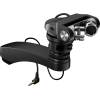
Studioaufnahmen, Videovertonung oder Podcasts: Die Wahl des Mikrofons orientiert sich immer am konkreten Einsatzzweck.
Unsere Mikrofone-Bestenliste wurde von unserer unabhängigen Redaktion erstellt und fußt auf zwei Säulen: Tests der Fachmagazine und Meinungen von Kundinnen und Kunden.

Diese Quellen haben wir neutral ausgewertet (letzter Test vom ):

  • und 96 weitere Magazine

Mikrofone Bestenliste

Filter

Preis

bis

Typ

Anschluss

  • Klinke (3,5 mm) (162)
  • USB (203)
  • XLR (307)
  • Klinke (6,3 mm) (7)
  • Lightning (18)
  • Tuchel (1)

Hersteller

  • Besonders beliebt
  • Rode Microphones (47)
  • Audio-Technica (35)
  • Shure (33)
  • Beyerdynamic (33)
  • AKG (30)
  • Thomann (28)
  • Sennheiser (26)
  • SE Electronics (23)
  • Sony (21)

Richtcharakteristik

  • Bidirektional (Acht) (79)
  • Breite Niere (13)
  • Direktional (Keule) (23)
  • Hyperniere (22)
  • Niere (390)
  • Omnidirektional (Kugel) (166)
  • Superniere (111)
  • Stereo (73)

Technologie

Testsieger

Neuester Testbericht

Getestet von

Modell

Beliebte Filter: Anschluss

USB

758 Ergebnisse entsprechen den Suchkriterien

  • Mikrofon im Test: M5-MP von Rode Microphones, Testberichte.de-Note: 1.3 Sehr gut

    Sehr gut

    1,3

    Rode Microphones M5-MP

    • Tech­no­lo­gie: Kon­den­sa­tor
    • Richt­cha­rak­te­ris­tik: Ste­reo, Niere
    • Anschluss: XLR
  • Wir arbeiten unabhängig und neutral. Wenn Sie auf ein verlinktes Shop-Angebot klicken, unterstützen Sie uns dabei. Wir erhalten dann ggf. eine Vergütung. Mehr erfahren

  • Mikrofon im Test: Vox SE von OBSBOT, Testberichte.de-Note: ohne Endnote

    ohne Endnote

    OBSBOT Vox SE

    • Typ: Funk­mi­kro­fon, Ansteck­mi­kro­fon
    • Richt­cha­rak­te­ris­tik: Omni­di­rek­tio­nal (Kugel)
    Kabel­lo­ses Mikro­fon für fle­xi­ble Audio­auf­nah­men
  • Mikrofon im Test: G Yeti Orb von Logitech, Testberichte.de-Note: 1.7 Gut

    Gut

    1,7

    Logitech G Yeti Orb

    • Typ: Pod­cast­mi­kro­fon, Tisch­mi­kro­fon
    • Tech­no­lo­gie: Kon­den­sa­tor
    • Richt­cha­rak­te­ris­tik: Niere
    Eine runde Sache
  • Mikrofon im Test: e 835 von Sennheiser, Testberichte.de-Note: 1.7 Gut

    Gut

    1,7

    Sennheiser e 835

    • Typ: Gesangs­mi­kro­fon
    • Tech­no­lo­gie: Dyna­misch
    • Anschluss: XLR
  • Mikrofon im Test: Mic Air Transmitter von Insta360, Testberichte.de-Note: 2.0 Gut

    Gut

    2,0

    Insta360 Mic Air Transmitter

    • Typ: Funk­mi­kro­fon, Handy-​Mikro­fon, Ansteck­mi­kro­fon
    Kom­pak­tes Mikro­fon für klare Auf­nah­men unter­wegs
  • Mikrofon im Test: Lark Max Duo von Hollyland, Testberichte.de-Note: 1.5 Sehr gut

    Sehr gut

    1,5

    Hollyland Lark Max Duo

    • Typ: Kamera-​Mikro­fon, Funk­mi­kro­fon, Pod­cast­mi­kro­fon, Handy-​Mikro­fon, Ansteck­mi­kro­fon
    • Richt­cha­rak­te­ris­tik: Omni­di­rek­tio­nal (Kugel)
    • Anschluss: Kopf­hö­rer-​Anschluss, Klinke (3,5 mm), USB
    Draht­lo­ses Mikro­fon im For­mat einer Streich­holz­schach­tel
  • Mikrofon im Test: EM-91CU von Mackie, Testberichte.de-Note: 1.7 Gut

    Gut

    1,7

    Mackie EM-91CU

    • Typ: Pod­cast­mi­kro­fon
    • Tech­no­lo­gie: Kon­den­sa­tor
    • Richt­cha­rak­te­ris­tik: Niere
    Für Spar­füchse und Frei­zeit­nut­zer
  • Mikrofon im Test: VideoMic Me von Rode Microphones, Testberichte.de-Note: 2.2 Gut

    Gut

    2,2

    Rode Microphones VideoMic Me

    • Typ: Handy-​Mikro­fon, Richt­mi­kro­fon
    • Tech­no­lo­gie: Kon­den­sa­tor
    • Richt­cha­rak­te­ris­tik: Niere
  • Mikrofon im Test: AG01 von Yamaha, Testberichte.de-Note: 1.5 Sehr gut

    Sehr gut

    1,5

    Yamaha AG01

    • Typ: Pod­cast­mi­kro­fon, Tisch­mi­kro­fon
    • Tech­no­lo­gie: Elek­tret, Kon­den­sa­tor
    • Richt­cha­rak­te­ris­tik: Niere
    Pod­cas­ter-​Mikro­fon mit guten App-​gesteu­er­ten Effek­ten
  • Mikrofon im Test: TL-023 von Tula Mics, Testberichte.de-Note: 1.8 Gut

    Gut

    1,8

    Tula Mics TL-023

    • Typ: Pod­cast­mi­kro­fon
    • Richt­cha­rak­te­ris­tik: Niere, Omni­di­rek­tio­nal (Kugel)
    • Anschluss: Kopf­hö­rer-​Anschluss, USB
    Schick, hand­lich und mit guten Funk­tio­nen
  • Mikrofon im Test: GXT 232 Mantis von Trust, Testberichte.de-Note: 1.8 Gut

    Gut

    1,8

    Trust GXT 232 Mantis

    • Typ: Pod­cast­mi­kro­fon, Tisch­mi­kro­fon
    • Tech­no­lo­gie: Kon­den­sa­tor
    • Richt­cha­rak­te­ris­tik: Omni­di­rek­tio­nal (Kugel)
    Simp­les USB-​Mikro für Ein­stei­ger
  • Mikrofon im Test: MCE 85 BA von Beyerdynamic, Testberichte.de-Note: 1.1 Sehr gut

    Sehr gut

    1,1

    Beyerdynamic MCE 85 BA

    • Typ: Kamera-​Mikro­fon, Richt­mi­kro­fon
    • Tech­no­lo­gie: Elek­tret, Kon­den­sa­tor
    • Richt­cha­rak­te­ris­tik: Super­niere, Direk­tio­nal (Keule)
  • Mikrofon im Test: TX-301 von Technaxx, Testberichte.de-Note: ohne Endnote

    ohne Endnote

    Technaxx TX-301

    • Typ: Funk­mi­kro­fon, Pod­cast­mi­kro­fon, Handy-​Mikro­fon, Ansteck­mi­kro­fon
    • Anschluss: USB
    Draht­lo­ses Lava­lier-​Mikro­fon-​Set für Preis­be­wusste
  • Mikrofon im Test: GXT 256 Exxo von Trust, Testberichte.de-Note: 1.6 Gut

    Gut

    1,6

    Trust GXT 256 Exxo

    • Typ: Pod­cast­mi­kro­fon, Tisch­mi­kro­fon
    • Tech­no­lo­gie: Kon­den­sa­tor
    • Richt­cha­rak­te­ris­tik: Niere
    Rundum über­zeu­gend
  • Mikrofon im Test: MoveMic 88+ von Shure, Testberichte.de-Note: 1.6 Gut

    Gut

    1,6

    Shure MoveMic 88+

    • Typ: Kamera-​Mikro­fon
    • Richt­cha­rak­te­ris­tik: Ste­reo, Bidi­rek­tio­nal (Acht), Niere
    • Anschluss: Kopf­hö­rer-​Anschluss, USB
    Aus­ge­reift in (fast) allen Berei­chen
  • Mikrofon im Test: Go Mic USB von Samson, Testberichte.de-Note: 1.9 Gut

    Gut

    1,9

    Samson Go Mic USB

    • Typ: Pod­cast­mi­kro­fon
    • Tech­no­lo­gie: Kon­den­sa­tor
    • Richt­cha­rak­te­ris­tik: Niere, Omni­di­rek­tio­nal (Kugel)
  • Mikrofon im Test: iRig Mic Studio von IK Multimedia, Testberichte.de-Note: 1.8 Gut

    Gut

    1,8

    IK Multimedia iRig Mic Studio

    • Typ: Handy-​Mikro­fon, Instru­men­ten­mi­kro­fon, Gesangs­mi­kro­fon
    • Tech­no­lo­gie: Kon­den­sa­tor
    • Richt­cha­rak­te­ris­tik: Niere
  • Mikrofon im Test: AT2020 von Audio-Technica, Testberichte.de-Note: 1.6 Gut

    Gut

    1,6

    Audio-Technica AT2020

    • Typ: Pod­cast­mi­kro­fon, Gesangs­mi­kro­fon
    • Tech­no­lo­gie: Kon­den­sa­tor
    • Richt­cha­rak­te­ris­tik: Niere
  • Mikrofon im Test: Mic Mini 2 (1 Sender + 1 Empfänger) von DJI, Testberichte.de-Note: 1.0 Sehr gut

    Sehr gut

    1,0

    DJI Mic Mini 2 (1 Sender + 1 Empfänger)

    • Typ: Kamera-​Mikro­fon, Funk­mi­kro­fon, Handy-​Mikro­fon, Ansteck­mi­kro­fon
    • Richt­cha­rak­te­ris­tik: Omni­di­rek­tio­nal (Kugel)
    • Anschluss: USB
    Kom­pak­tes kabel­lo­ses Mikro­fon für viel­sei­tige Anwen­dun­gen
  • Mikrofon im Test: Yeti Aurora Collection von Blue Microphones, Testberichte.de-Note: 1.6 Gut

    Gut

    1,6

    Blue Microphones Yeti Aurora Collection

    • Typ: Pod­cast­mi­kro­fon, Tisch­mi­kro­fon
    • Tech­no­lo­gie: Kon­den­sa­tor
    • Richt­cha­rak­te­ris­tik: Ste­reo, Bidi­rek­tio­nal (Acht), Niere, Omni­di­rek­tio­nal (Kugel)
    USB-​Mikro­fon mit gutem Klang und vier Richt­cha­rak­te­ris­ti­ken
  • Mikrofon im Test: The t.bone Sync 1 von Thomann, Testberichte.de-Note: 2.0 Gut

    Gut

    2,0

    Thomann The t.bone Sync 1

    • Typ: Kamera-​Mikro­fon, Funk­mi­kro­fon
    • Tech­no­lo­gie: Kon­den­sa­tor
    • Anschluss: Klinke (3,5 mm)
    Güns­ti­ger Ein­stieg für Vlog­ger und Hobby-​Vide­odre­her
  • Mikrofon im Test: DM-58-B von Pronomic, Testberichte.de-Note: 1.7 Gut

    Gut

    1,7

    Pronomic DM-58-B

    • Typ: Gesangs­mi­kro­fon
    • Tech­no­lo­gie: Dyna­misch
    • Richt­cha­rak­te­ris­tik: Super­niere
  • Mikrofon im Test: PGA48 von Shure, Testberichte.de-Note: 1.7 Gut

    Gut

    1,7

    Shure PGA48

    • Typ: Gesangs­mi­kro­fon
    • Tech­no­lo­gie: Dyna­misch
    • Richt­cha­rak­te­ris­tik: Niere
  • Mikrofon im Test: NT1-A von Rode Microphones, Testberichte.de-Note: 1.6 Gut

    Gut

    1,6

    Rode Microphones NT1-A

    • Typ: Instru­men­ten­mi­kro­fon, Gesangs­mi­kro­fon
    • Tech­no­lo­gie: Kon­den­sa­tor
    • Richt­cha­rak­te­ris­tik: Niere
  • Mikrofon im Test: iRig Stream Mic Pro von IK Multimedia, Testberichte.de-Note: 2.0 Gut

    Gut

    2,0

    IK Multimedia iRig Stream Mic Pro

    • Typ: Pod­cast­mi­kro­fon, Tisch­mi­kro­fon
    • Tech­no­lo­gie: Kon­den­sa­tor
    • Richt­cha­rak­te­ris­tik: Ste­reo, Bidi­rek­tio­nal (Acht), Niere, Omni­di­rek­tio­nal (Kugel)
    Stre­a­ming-​Mikro­fon mit brei­tem Ein­satz­spek­trum
  • Mikrofon im Test: GXT 236 Yami von Trust, Testberichte.de-Note: 1.6 Gut

    Gut

    1,6

    Trust GXT 236 Yami

    • Typ: Tisch­mi­kro­fon
    • Tech­no­lo­gie: Kon­den­sa­tor
    • Richt­cha­rak­te­ris­tik: Niere
  • Mikrofon im Test: VM20 von Comica, Testberichte.de-Note: 1.6 Gut

    Gut

    1,6

    Comica VM20

    • Typ: Kamera-​Mikro­fon, Handy-​Mikro­fon, Richt­mi­kro­fon
    • Tech­no­lo­gie: Kon­den­sa­tor
    • Richt­cha­rak­te­ris­tik: Super­niere
    Pro­fes­sio­nelle Audio­auf­nah­men für unter­wegs
  • Mikrofon im Test: DynaCaster DCM6 von SE Electronics, Testberichte.de-Note: 1.0 Sehr gut

    Sehr gut

    1,0

    SE Electronics DynaCaster DCM6

    • Typ: Pod­cast­mi­kro­fon, Gesangs­mi­kro­fon
    • Tech­no­lo­gie: Dyna­misch
    • Richt­cha­rak­te­ris­tik: Niere
    Spra­che und Gesang sind die Stär­ken
  • Mikrofon im Test: Wavo Pro von Joby, Testberichte.de-Note: 2.0 Gut

    Gut

    2,0

    Joby Wavo Pro

    • Typ: Kamera-​Mikro­fon
    • Tech­no­lo­gie: Elek­tret, Kon­den­sa­tor
    • Richt­cha­rak­te­ris­tik: Super­niere
    Kom­pak­tes Video-​Mikro­fon mit vie­len Funk­tio­nen
  • Mikrofon im Test: TC30 von Tonor, Testberichte.de-Note: 1.6 Gut

    Gut

    1,6

    Tonor TC30

    • Typ: Pod­cast­mi­kro­fon, Tisch­mi­kro­fon
    • Tech­no­lo­gie: Kon­den­sa­tor
    • Richt­cha­rak­te­ris­tik: Niere
    Low-​Bud­get-​Mikro­fon mit ordent­li­chem Klang und eini­gen Schwach­punk­ten
  • Mikrofon im Test: Lark 150 Duo Kit von Hollyland, Testberichte.de-Note: 1.0 Sehr gut

    Sehr gut

    1,0

    Hollyland Lark 150 Duo Kit

    • Typ: Kamera-​Mikro­fon, Funk­mi­kro­fon, Ansteck­mi­kro­fon
    • Richt­cha­rak­te­ris­tik: Omni­di­rek­tio­nal (Kugel)
    • Anschluss: Klinke (3,5 mm)
    Üppi­ger Lie­fe­r­um­fang, guter Klang, hohe Reich­weite
  • Mikrofon im Test: iQ7 von Zoom, Testberichte.de-Note: 1.6 Gut

    Gut

    1,6

    Zoom iQ7

    • Typ: Handy-​Mikro­fon
    • Richt­cha­rak­te­ris­tik: Ste­reo
    • Anschluss: Klinke (3,5 mm)
  • Mikrofon im Test: XSW 2-835-E von Sennheiser, Testberichte.de-Note: 1.0 Sehr gut

    Sehr gut

    1,0

    Sennheiser XSW 2-835-E

    • Typ: Funk­mi­kro­fon, Gesangs­mi­kro­fon
    • Tech­no­lo­gie: Dyna­misch
    • Richt­cha­rak­te­ris­tik: Niere
  • Mikrofon im Test: EM-91C von Mackie, Testberichte.de-Note: 1.9 Gut

    Gut

    1,9

    Mackie EM-91C

    • Typ: Instru­men­ten­mi­kro­fon, Gesangs­mi­kro­fon
    • Tech­no­lo­gie: Elek­tret, Kon­den­sa­tor
    • Richt­cha­rak­te­ris­tik: Niere
    Stu­dio­mi­kro für Ein­stei­ger
  • Mikrofon im Test: EM-Carbon von Mackie, Testberichte.de-Note: 1.5 Sehr gut

    Sehr gut

    1,5

    Mackie EM-Carbon

    • Typ: Pod­cast­mi­kro­fon, Tisch­mi­kro­fon
    • Tech­no­lo­gie: Kon­den­sa­tor
    • Richt­cha­rak­te­ris­tik: Ste­reo, Super­niere, Bidi­rek­tio­nal (Acht), Niere, Omni­di­rek­tio­nal (Kugel)
    Für geho­bene Ansprü­che
  • Mikrofon im Test: C-100 von Sony, Testberichte.de-Note: 1.4 Sehr gut

    Sehr gut

    1,4

    Sony C-100

    • Typ: Instru­men­ten­mi­kro­fon, Gesangs­mi­kro­fon
    • Tech­no­lo­gie: Elek­tret, Kon­den­sa­tor
    • Richt­cha­rak­te­ris­tik: Bidi­rek­tio­nal (Acht), Niere, Omni­di­rek­tio­nal (Kugel)
  • Mikrofon im Test: Revelator von PreSonus, Testberichte.de-Note: 1.8 Gut

    Gut

    1,8

    PreSonus Revelator

    • Typ: Pod­cast­mi­kro­fon, Tisch­mi­kro­fon
    • Tech­no­lo­gie: Kon­den­sa­tor
    • Richt­cha­rak­te­ris­tik: Bidi­rek­tio­nal (Acht), Niere, Omni­di­rek­tio­nal (Kugel)
    Hohe Emp­find­lich­keit, umfang­rei­che Soft­ware
  • Mikrofon im Test: YCM01 von Yamaha, Testberichte.de-Note: 1.3 Sehr gut

    Sehr gut

    1,3

    Yamaha YCM01

    • Typ: Instru­men­ten­mi­kro­fon, Gesangs­mi­kro­fon
    • Tech­no­lo­gie: Elek­tret, Kon­den­sa­tor
    • Richt­cha­rak­te­ris­tik: Niere
    Unkom­pli­zier­tes Stre­a­ming-​Mikro­fon mit XLR-​Anschluss
  • Mikrofon im Test: Talk Pro von JLAB, Testberichte.de-Note: 1.6 Gut

    Gut

    1,6

    JLAB Talk Pro

    • Typ: Pod­cast­mi­kro­fon, Tisch­mi­kro­fon, Instru­men­ten­mi­kro­fon
    • Tech­no­lo­gie: Kon­den­sa­tor
    • Richt­cha­rak­te­ris­tik: Ste­reo, Bidi­rek­tio­nal (Acht), Niere, Omni­di­rek­tio­nal (Kugel)
    Prak­ti­sches Pod­cast-​Mikro für viele Rich­tun­gen
  • Mikrofon im Test: Video Mic von Behringer, Testberichte.de-Note: 2.0 Gut

    Gut

    2,0

    Behringer Video Mic

    • Typ: Kamera-​Mikro­fon, Handy-​Mikro­fon, Richt­mi­kro­fon
    • Tech­no­lo­gie: Kon­den­sa­tor
    • Richt­cha­rak­te­ris­tik: Super­niere
    Güns­ti­ges und gelen­ki­ges Video­mi­kro­fon
  • Neuester Test:

    Tests

    Ich möchte benachrichtigt werden bei neuen Tests zu Mikrofone

    Test­sie­ger der Fach­ma­ga­zine

    Aktuelle Mikrofone Testsieger

    Aus unse­rem Maga­zin