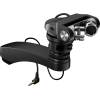
Studioaufnahmen, Videovertonung oder Podcasts: Die Wahl des Mikrofons orientiert sich immer am konkreten Einsatzzweck.
Unsere Mikrofone-Bestenliste wurde von unserer unabhängigen Redaktion erstellt und fußt auf zwei Säulen: Tests der Fachmagazine und Meinungen von Kundinnen und Kunden.

Diese Quellen haben wir neutral ausgewertet (letzter Test vom ):

  • und 94 weitere Magazine

Mikrofone Bestenliste

Filter

Preis

bis

Typ

Anschluss

  • Klinke (3,5 mm) (160)
  • USB (195)
  • XLR (306)
  • Klinke (6,3 mm) (7)
  • Lightning (17)
  • Tuchel (1)

Hersteller

  • Besonders beliebt
  • Rode Microphones (46)
  • Audio-Technica (35)
  • Shure (33)
  • Beyerdynamic (33)
  • AKG (30)
  • Thomann (28)
  • Sennheiser (26)
  • SE Electronics (23)
  • Sony (21)

Technologie

Richtcharakteristik

  • Bidirektional (Acht) (79)
  • Breite Niere (13)
  • Direktional (Keule) (23)
  • Hyperniere (22)
  • Niere (388)
  • Omnidirektional (Kugel) (159)
  • Superniere (110)
  • Stereo (73)

Testsieger

Neuester Testbericht

Getestet von

Modell

749 Ergebnisse entsprechen den Suchkriterien

  • Mikrofon im Test: Volity Ready Streaming Starter Set von SpeedLink, Testberichte.de-Note: ohne Endnote

    ohne Endnote

    SpeedLink Volity Ready Streaming Starter Set

    • Typ: Pod­cast­mi­kro­fon
    • Tech­no­lo­gie: Kon­den­sa­tor
    • Richt­cha­rak­te­ris­tik: Niere
    Keine Niere, nied­ri­ger Pegel und star­kes Rau­schen
  • Wir arbeiten unabhängig und neutral. Wenn Sie auf ein verlinktes Shop-Angebot klicken, unterstützen Sie uns dabei. Wir erhalten dann ggf. eine Vergütung. Mehr erfahren

  • Mikrofon im Test: The t.bone Sync 2 von Thomann, Testberichte.de-Note: 2.0 Gut

    Gut

    2,0

    Thomann The t.bone Sync 2

    • Typ: Kamera-​Mikro­fon, Funk­mi­kro­fon
    • Tech­no­lo­gie: Kon­den­sa­tor
    • Anschluss: Klinke (3,5 mm)
    Für Vlog­ger: Inter­views und Gesprä­che zum guten Preis
  • Mikrofon im Test: MCE 72 CAM von Beyerdynamic, Testberichte.de-Note: 1.6 Gut

    Gut

    1,6

    Beyerdynamic MCE 72 CAM

    • Typ: Kamera-​Mikro­fon, Instru­men­ten­mi­kro­fon
    • Tech­no­lo­gie: Kon­den­sa­tor
    • Richt­cha­rak­te­ris­tik: Niere
  • Mikrofon im Test: iQ5 von Zoom, Testberichte.de-Note: 1.7 Gut

    Gut

    1,7

    Zoom iQ5

    • Typ: Handy-​Mikro­fon
    • Tech­no­lo­gie: Dyna­misch
    • Richt­cha­rak­te­ris­tik: Ste­reo, Bidi­rek­tio­nal (Acht)
  • Mikrofon im Test: Lark M1 Duo Kit von Hollyland, Testberichte.de-Note: 1.9 Gut

    Gut

    1,9

    Hollyland Lark M1 Duo Kit

    • Typ: Kamera-​Mikro­fon, Funk­mi­kro­fon, Handy-​Mikro­fon, Ansteck­mi­kro­fon
    • Tech­no­lo­gie: Kon­den­sa­tor
    • Richt­cha­rak­te­ris­tik: Omni­di­rek­tio­nal (Kugel)
    Video­ver­to­nung leicht gemacht
  • Mikrofon im Test: Smartmike+ von Sabinetek, Testberichte.de-Note: 2.0 Gut

    Gut

    2,0

    Sabinetek Smartmike+

    • Typ: Handy-​Mikro­fon, Ansteck­mi­kro­fon
    • Anschluss: Klinke (3,5 mm), USB
    Sau­be­rer Sound, fle­xi­ble Hand­ha­bung
  • Mikrofon im Test: VM30 von Comica, Testberichte.de-Note: 1.5 Sehr gut

    Sehr gut

    1,5

    Comica VM30

    • Typ: Kamera-​Mikro­fon, Richt­mi­kro­fon
    • Tech­no­lo­gie: Kon­den­sa­tor
    • Richt­cha­rak­te­ris­tik: Super­niere
    Fle­xibles Shot­gun-​Mikro­fon mit star­kem Akku
  • Mikrofon im Test: Perception Live P 5 von AKG, Testberichte.de-Note: 1.7 Gut

    Gut

    1,7

    AKG Perception Live P 5

    • Typ: Gesangs­mi­kro­fon
    • Tech­no­lo­gie: Dyna­misch
    • Richt­cha­rak­te­ris­tik: Super­niere
  • Mikrofon im Test: BY-PM 500 W von Boya, Testberichte.de-Note: 1.5 Sehr gut

    Sehr gut

    1,5

    Boya BY-PM 500 W

    • Typ: Funk­mi­kro­fon, Pod­cast­mi­kro­fon, Tisch­mi­kro­fon
    • Tech­no­lo­gie: Kon­den­sa­tor
    • Richt­cha­rak­te­ris­tik: Niere, Omni­di­rek­tio­nal (Kugel)
    USB-​Mikro­fon, das auch die Über­tra­gung über Funk beherrscht
  • Mikrofon im Test: C3000 von AKG, Testberichte.de-Note: 1.7 Gut

    Gut

    1,7

    AKG C3000

    • Typ: Instru­men­ten­mi­kro­fon, Gesangs­mi­kro­fon
    • Tech­no­lo­gie: Kon­den­sa­tor
    • Richt­cha­rak­te­ris­tik: Niere
  • Mikrofon im Test: ECM-GZ1M von Sony, Testberichte.de-Note: 1.9 Gut

    Gut

    1,9

    Sony ECM-GZ1M

    • Typ: Kamera-​Mikro­fon, Richt­mi­kro­fon
    • Tech­no­lo­gie: Elek­tret, Kon­den­sa­tor
    • Richt­cha­rak­te­ris­tik: Super­niere
  • Mikrofon im Test: C7 von AKG, Testberichte.de-Note: 1.4 Sehr gut

    Sehr gut

    1,4

    AKG C7

    • Typ: Gesangs­mi­kro­fon
    • Tech­no­lo­gie: Kon­den­sa­tor
    • Richt­cha­rak­te­ris­tik: Super­niere
  • Mikrofon im Test: SoundBird T3 von Saramonic, Testberichte.de-Note: 1.2 Sehr gut

    Sehr gut

    1,2

    Saramonic SoundBird T3

    • Typ: Kamera-​Mikro­fon, Richt­mi­kro­fon
    • Richt­cha­rak­te­ris­tik: Niere
    • Anschluss: XLR
    Der frühe Vogel fängt die Auf­nahme
  • Mikrofon im Test: BV44 von Behringer, Testberichte.de-Note: 5.0 Mangelhaft

    Mangelhaft

    5,0

    Behringer BV44

    • Typ: Pod­cast­mi­kro­fon, Tisch­mi­kro­fon
    • Tech­no­lo­gie: Elek­tret, Kon­den­sa­tor
    • Richt­cha­rak­te­ris­tik: Super­niere
    Pod­cas­ter-​Mikro in Nost­al­gie-​Optik mit eini­gen Schwä­chen
  • Mikrofon im Test: VW-VMS 10 E von Panasonic, Testberichte.de-Note: 1.9 Gut

    Gut

    1,9

    Panasonic VW-VMS 10 E

    • Typ: Kamera-​Mikro­fon
    • Tech­no­lo­gie: Kon­den­sa­tor
    • Richt­cha­rak­te­ris­tik: Ste­reo, Niere
  • Mikrofon im Test: Martian von iCON, Testberichte.de-Note: 2.0 Gut

    Gut

    2,0

    iCON Martian

    • Typ: Gesangs­mi­kro­fon
    • Tech­no­lo­gie: Kon­den­sa­tor
    • Richt­cha­rak­te­ris­tik: Niere
    Rauscharm und sowohl optisch als auch klang­lich aus­ge­fal­len
  • Mikrofon im Test: MCE 86 S II CAM von Beyerdynamic, Testberichte.de-Note: 1.5 Sehr gut

    Sehr gut

    1,5

    Beyerdynamic MCE 86 S II CAM

    • Typ: Kamera-​Mikro­fon, Richt­mi­kro­fon
    • Tech­no­lo­gie: Elek­tret, Kon­den­sa­tor
    • Richt­cha­rak­te­ris­tik: Direk­tio­nal (Keule), Hyper­niere
  • Mikrofon im Test: B-2 Pro von Behringer, Testberichte.de-Note: 1.9 Gut

    Gut

    1,9

    Behringer B-2 Pro

    • Typ: Instru­men­ten­mi­kro­fon, Gesangs­mi­kro­fon
    • Tech­no­lo­gie: Kon­den­sa­tor
    • Richt­cha­rak­te­ris­tik: Bidi­rek­tio­nal (Acht), Niere, Omni­di­rek­tio­nal (Kugel)
  • Mikrofon im Test: SM900T von SPC Gear, Testberichte.de-Note: 1.0 Sehr gut

    Sehr gut

    1,0

    SPC Gear SM900T

    • Typ: Pod­cast­mi­kro­fon, Tisch­mi­kro­fon
    • Tech­no­lo­gie: Kon­den­sa­tor
    • Richt­cha­rak­te­ris­tik: Niere
    Für den Preis rich­tig gut
  • Mikrofon im Test: AC02B Lavalier von AGPtek, Testberichte.de-Note: 1.8 Gut

    Gut

    1,8

    AGPtek AC02B Lavalier

    • Typ: Ansteck­mi­kro­fon
    • Tech­no­lo­gie: Kon­den­sa­tor
    • Richt­cha­rak­te­ris­tik: Omni­di­rek­tio­nal (Kugel)
    Ein Mikro­fon für (fast) jede Rich­tung
  • Mikrofon im Test: iQ6 von Zoom, Testberichte.de-Note: 1.5 Sehr gut

    Sehr gut

    1,5

    Zoom iQ6

    • Typ: Handy-​Mikro­fon
    • Tech­no­lo­gie: Kon­den­sa­tor
    • Anschluss: Klinke (3,5 mm)
  • Mikrofon im Test: Blackout Spark SL von Blue Microphones, Testberichte.de-Note: 1.6 Gut

    Gut

    1,6

    Blue Microphones Blackout Spark SL

    • Typ: Pod­cast­mi­kro­fon, Instru­men­ten­mi­kro­fon, Gesangs­mi­kro­fon
    • Tech­no­lo­gie: Kon­den­sa­tor
    • Richt­cha­rak­te­ris­tik: Niere
    Mikro­fon mit war­mem, ange­neh­mem Klang­cha­rak­ter
  • Mikrofon im Test: cosMik 10 von ESI, Testberichte.de-Note: 2.1 Gut

    Gut

    2,1

    ESI cosMik 10

    • Typ: Pod­cast­mi­kro­fon, Tisch­mi­kro­fon
    • Tech­no­lo­gie: Kon­den­sa­tor
    • Richt­cha­rak­te­ris­tik: Niere
    Klingt teu­rer als es ist
  • Mikrofon im Test: SGH-6 von Zoom, Testberichte.de-Note: 1.2 Sehr gut

    Sehr gut

    1,2

    Zoom SGH-6

    • Typ: Richt­mi­kro­fon
    • Richt­cha­rak­te­ris­tik: Super­niere
  • Mikrofon im Test: Vlogger Kit iOS Edition von Rode Microphones, Testberichte.de-Note: 1.5 Sehr gut

    Sehr gut

    1,5

    Rode Microphones Vlogger Kit iOS Edition

    • Typ: Handy-​Mikro­fon, Richt­mi­kro­fon
    • Tech­no­lo­gie: Elek­tret, Kon­den­sa­tor
    • Richt­cha­rak­te­ris­tik: Niere
    Videoaus­rüs­tung für die Hosen­ta­sche
  • Mikrofon im Test: P2T von Synco, Testberichte.de-Note: 2.2 Gut

    Gut

    2,2

    Synco P2T

    • Typ: Funk­mi­kro­fon, Handy-​Mikro­fon, Ansteck­mi­kro­fon
    • Anschluss: Klinke (3,5 mm), USB
    Zwei­ka­na­li­ges Ansteck­mi­kro­fon für Vlogs und Live-​Stre­a­ming
  • Mikrofon im Test: NT-SF 1 von Rode Microphones, Testberichte.de-Note: 1.0 Sehr gut

    Sehr gut

    1,0

    Rode Microphones NT-SF 1

    • Typ: Kamera-​Mikro­fon
    • Tech­no­lo­gie: Kon­den­sa­tor
    • Richt­cha­rak­te­ris­tik: Niere
    Vier Kap­seln für exakte 3D-​Auf­zeich­nun­gen
  • Mikrofon im Test: Spark Digital von Blue Microphones, Testberichte.de-Note: 1.8 Gut

    Gut

    1,8

    Blue Microphones Spark Digital

    • Typ: Tisch­mi­kro­fon
    • Tech­no­lo­gie: Kon­den­sa­tor
    • Richt­cha­rak­te­ris­tik: Niere
  • Mikrofon im Test: Hear:Me Wireless von Rollei, Testberichte.de-Note: 2.0 Gut

    Gut

    2,0

    Rollei Hear:Me Wireless

    • Typ: Kamera-​Mikro­fon, Funk­mi­kro­fon
    • Richt­cha­rak­te­ris­tik: Omni­di­rek­tio­nal (Kugel)
    • Anschluss: Klinke (3,5 mm)
    Nütz­li­ches Set für Vlog­ger und Hob­by­fil­mer
  • Mikrofon im Test: Yeti X World of Warcraft Edition von Blue Microphones, Testberichte.de-Note: 1.4 Sehr gut

    Sehr gut

    1,4

    Blue Microphones Yeti X World of Warcraft Edition

    • Typ: Pod­cast­mi­kro­fon, Tisch­mi­kro­fon
    • Tech­no­lo­gie: Kon­den­sa­tor
    • Richt­cha­rak­te­ris­tik: Ste­reo, Bidi­rek­tio­nal (Acht), Niere, Omni­di­rek­tio­nal (Kugel)
    Gaming-​Mikro mit Poten­tial für mehr
  • Mikrofon im Test: Bumblebee II von Neat Microphones, Testberichte.de-Note: 1.8 Gut

    Gut

    1,8

    Neat Microphones Bumblebee II

    • Typ: Pod­cast­mi­kro­fon, Tisch­mi­kro­fon
    • Tech­no­lo­gie: Kon­den­sa­tor
    • Richt­cha­rak­te­ris­tik: Niere
    Ein­stei­ger-​Mikro­fon mit wesent­li­chen Fea­tu­res
  • Mikrofon im Test: SM950 von SPC Gear, Testberichte.de-Note: 1.3 Sehr gut

    Sehr gut

    1,3

    SPC Gear SM950

    • Typ: Pod­cast­mi­kro­fon
    • Tech­no­lo­gie: Kon­den­sa­tor
    • Richt­cha­rak­te­ris­tik: Niere
    Soli­des Pod­cast­mi­kro­fon zum fai­ren Preis
  • Mikrofon im Test: YCM01U von Yamaha, Testberichte.de-Note: ohne Endnote

    ohne Endnote

    Yamaha YCM01U

    • Typ: Pod­cast­mi­kro­fon, Tisch­mi­kro­fon
    • Tech­no­lo­gie: Elek­tret, Kon­den­sa­tor
    • Richt­cha­rak­te­ris­tik: Niere
    Gut klin­gen­des und leicht zu bedie­nen­des USB-​Mikro­fon
  • Mikrofon im Test: BY-PVM50 von Boya, Testberichte.de-Note: 1.9 Gut

    Gut

    1,9

    Boya BY-PVM50

    • Typ: Kamera-​Mikro­fon, Handy-​Mikro­fon, Richt­mi­kro­fon
    • Tech­no­lo­gie: Kon­den­sa­tor
    • Richt­cha­rak­te­ris­tik: Ste­reo
    Bes­ser als der Preis ver­mu­ten lässt
  • Mikrofon im Test: X1 von SE Electronics, Testberichte.de-Note: 1.3 Sehr gut

    Sehr gut

    1,3

    SE Electronics X1

    • Typ: Instru­men­ten­mi­kro­fon, Gesangs­mi­kro­fon
    • Tech­no­lo­gie: Kon­den­sa­tor
    • Richt­cha­rak­te­ris­tik: Niere
  • Mikrofon im Test: AT8022 von Audio-Technica, Testberichte.de-Note: 1.1 Sehr gut

    Sehr gut

    1,1

    Audio-Technica AT8022

    • Typ: Kamera-​Mikro­fon, Repor­ter­mi­kro­fon, Instru­men­ten­mi­kro­fon, Gesangs­mi­kro­fon
    • Tech­no­lo­gie: Kon­den­sa­tor
    • Richt­cha­rak­te­ris­tik: Ste­reo, Niere
  • Mikrofon im Test: Motiv MVL von Shure, Testberichte.de-Note: 1.9 Gut

    Gut

    1,9

    Shure Motiv MVL

    • Typ: Handy-​Mikro­fon, Ansteck­mi­kro­fon
    • Tech­no­lo­gie: Kon­den­sa­tor
    • Richt­cha­rak­te­ris­tik: Omni­di­rek­tio­nal (Kugel)
  • Mikrofon im Test: DynaCaster DCM6 von SE Electronics, Testberichte.de-Note: 1.0 Sehr gut

    Sehr gut

    1,0

    SE Electronics DynaCaster DCM6

    • Typ: Pod­cast­mi­kro­fon, Gesangs­mi­kro­fon
    • Tech­no­lo­gie: Dyna­misch
    • Richt­cha­rak­te­ris­tik: Niere
    Spra­che und Gesang sind die Stär­ken
  • Mikrofon im Test: Big Foot von Behringer, Testberichte.de-Note: 1.7 Gut

    Gut

    1,7

    Behringer Big Foot

    • Typ: Pod­cast­mi­kro­fon, Tisch­mi­kro­fon
    • Tech­no­lo­gie: Kon­den­sa­tor
    • Richt­cha­rak­te­ris­tik: Ste­reo, Bidi­rek­tio­nal (Acht), Niere, Omni­di­rek­tio­nal (Kugel)
    Güns­ti­ges Pod­cas­ter-​Mikro­fon mit Anwen­dungs­viel­falt
  • Mikrofon im Test: Perception Live P 4 von AKG, Testberichte.de-Note: 1.2 Sehr gut

    Sehr gut

    1,2

    AKG Perception Live P 4

    • Typ: Instru­men­ten­mi­kro­fon
    • Tech­no­lo­gie: Dyna­misch
    • Richt­cha­rak­te­ris­tik: Niere
  • Neuester Test:

    Tests

    Ich möchte benachrichtigt werden bei neuen Tests zu Mikrofone

    Test­sie­ger der Fach­ma­ga­zine Aktuelle Mikrofone Testsieger

    Aus unse­rem Maga­zin