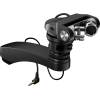
Studioaufnahmen, Videovertonung oder Podcasts: Die Wahl des Mikrofons orientiert sich immer am konkreten Einsatzzweck.
Unsere Mikrofone-Bestenliste wurde von unserer unabhängigen Redaktion erstellt und fußt auf zwei Säulen: Tests der Fachmagazine und Meinungen von Kundinnen und Kunden.

Diese Quellen haben wir neutral ausgewertet (letzter Test vom ):

  • und 94 weitere Magazine

Mikrofone Bestenliste

Filter

Preis

bis

Typ

Anschluss

  • Klinke (3,5 mm) (160)
  • USB (195)
  • XLR (306)
  • Klinke (6,3 mm) (7)
  • Lightning (17)
  • Tuchel (1)

Hersteller

  • Besonders beliebt
  • Rode Microphones (46)
  • Audio-Technica (35)
  • Shure (33)
  • Beyerdynamic (33)
  • AKG (30)
  • Thomann (28)
  • Sennheiser (26)
  • SE Electronics (23)
  • Sony (21)

Richtcharakteristik

  • Bidirektional (Acht) (79)
  • Breite Niere (13)
  • Direktional (Keule) (23)
  • Hyperniere (22)
  • Niere (388)
  • Omnidirektional (Kugel) (159)
  • Superniere (110)
  • Stereo (73)

Technologie

Testsieger

Neuester Testbericht

Getestet von

Modell

749 Ergebnisse entsprechen den Suchkriterien

  • Mikrofon im Test: Reactor von Blue Microphones, Testberichte.de-Note: ohne Endnote

    ohne Endnote

    Blue Microphones Reactor

    • Typ: Instru­men­ten­mi­kro­fon, Gesangs­mi­kro­fon
    • Tech­no­lo­gie: Kon­den­sa­tor
    • Richt­cha­rak­te­ris­tik: Bidi­rek­tio­nal (Acht), Niere, Omni­di­rek­tio­nal (Kugel)
  • Wir arbeiten unabhängig und neutral. Wenn Sie auf ein verlinktes Shop-Angebot klicken, unterstützen Sie uns dabei. Wir erhalten dann ggf. eine Vergütung. Mehr erfahren

  • Mikrofon im Test: AT 4041 von Audio-Technica, Testberichte.de-Note: 1.0 Sehr gut

    Sehr gut

    1,0

  • Mikrofon im Test: RL48 Sound & Light Kit von Rotolight, Testberichte.de-Note: ohne Endnote

    ohne Endnote

    Rotolight RL48 Sound & Light Kit

    • Typ: Kamera-​Mikro­fon, Richt­mi­kro­fon
    • Tech­no­lo­gie: Kon­den­sa­tor
    • Richt­cha­rak­te­ris­tik: Niere
  • Mikrofon im Test: Orpheus von Sontronics, Testberichte.de-Note: 1.0 Sehr gut

    Sehr gut

    1,0

    Sontronics Orpheus

  • Mikrofon im Test: LCT 540 von Lewitt, Testberichte.de-Note: 2.0 Gut

    Gut

    2,0

    Lewitt LCT 540

    • Typ: Instru­men­ten­mi­kro­fon
    • Tech­no­lo­gie: Kon­den­sa­tor
    • Richt­cha­rak­te­ris­tik: Niere
  • Sehr gut

    1,0

    Line6 XD-V70L

    • Typ: Ansteck­mi­kro­fon
  • Mikrofon im Test: XD-V70 von Line6, Testberichte.de-Note: 1.0 Sehr gut

    Sehr gut

    1,0

    Line6 XD-V70

    • Typ: Funk­mi­kro­fon
  • Mikrofon im Test: MK-105 von Oktava, Testberichte.de-Note: 1.5 Sehr gut

    Sehr gut

    1,5

    Oktava MK-105

    • Typ: Instru­men­ten­mi­kro­fon, Gesangs­mi­kro­fon
    • Tech­no­lo­gie: Kon­den­sa­tor
    • Richt­cha­rak­te­ris­tik: Niere
  • Mikrofon im Test: M 1030 von Microtech Gefell, Testberichte.de-Note: 1.0 Sehr gut

    Sehr gut

    1,0

    Microtech Gefell M 1030

    • Typ: Instru­men­ten­mi­kro­fon, Gesangs­mi­kro­fon
    • Tech­no­lo­gie: Kon­den­sa­tor
    • Richt­cha­rak­te­ris­tik: Niere
  • Mikrofon im Test: KM 184 (Stereo-Paar) von Neumann, Testberichte.de-Note: 1.0 Sehr gut

    Sehr gut

    1,0

    Neumann KM 184 (Stereo-Paar)

    • Typ: Mikro­fon-​Set, Instru­men­ten­mi­kro­fon
  • Mikrofon im Test: c700a von Josephson Engineering, Testberichte.de-Note: 1.0 Sehr gut

    Sehr gut

    1,0

    Josephson Engineering c700a

    • Typ: Instru­men­ten­mi­kro­fon, Gesangs­mi­kro­fon
    • Tech­no­lo­gie: Kon­den­sa­tor
    • Richt­cha­rak­te­ris­tik: Bidi­rek­tio­nal (Acht), Niere, Omni­di­rek­tio­nal (Kugel)
  • Mikrofon im Test: XD-V30 von Line6, Testberichte.de-Note: 1.0 Sehr gut

    Sehr gut

    1,0

    Line6 XD-V30

    • Typ: Funk­mi­kro­fon, Gesangs­mi­kro­fon
  • Mikrofon im Test: R-121 von Royer Labs, Testberichte.de-Note: 1.5 Sehr gut

    Sehr gut

    1,5

    Royer Labs R-121

    • Typ: Instru­men­ten­mi­kro­fon
  • Befriedigend

    3,0

    Superlux E531 mit Blitzschuhadapter Ya 10

    • Tech­no­lo­gie: Kon­den­sa­tor
    • Richt­cha­rak­te­ris­tik: Ste­reo
    • Anschluss: Klinke (3,5 mm)
  • Mikrofon im Test: M 149 von Neumann, Testberichte.de-Note: ohne Endnote

    ohne Endnote

    Neumann M 149

    • Typ: Gesangs­mi­kro­fon
  • Mikrofon im Test: Bottle Rocket Stage One von Blue Microphones, Testberichte.de-Note: 1.0 Sehr gut

    Sehr gut

    1,0

    Blue Microphones Bottle Rocket Stage One

    • Typ: Instru­men­ten­mi­kro­fon, Gesangs­mi­kro­fon
    • Tech­no­lo­gie: Kon­den­sa­tor
    • Anschluss: XLR
  • Mikrofon im Test: SMX-15 von Azden, Testberichte.de-Note: 1.4 Sehr gut

    Sehr gut

    1,4

    Azden SMX-15

    • Typ: Kamera-​Mikro­fon, Richt­mi­kro­fon
    • Tech­no­lo­gie: Elek­tret, Kon­den­sa­tor
    • Richt­cha­rak­te­ris­tik: Super­niere
  • Mikrofon im Test: Apollo von Sontronics, Testberichte.de-Note: 1.0 Sehr gut

    Sehr gut

    1,0

    Sontronics Apollo

    • Typ: Instru­men­ten­mi­kro­fon, Gesangs­mi­kro­fon
    • Tech­no­lo­gie: Kon­den­sa­tor
    • Richt­cha­rak­te­ris­tik: Bidi­rek­tio­nal (Acht)
  • Mikrofon im Test: ATR 3350 von Audio-Technica, Testberichte.de-Note: 2.2 Gut

    Gut

    2,2

    Audio-Technica ATR 3350

    • Tech­no­lo­gie: Kon­den­sa­tor
    • Richt­cha­rak­te­ris­tik: Ste­reo
  • Mikrofon im Test: Trion 8000 von CAD, Testberichte.de-Note: 2.0 Gut

    Gut

    2,0

    CAD Trion 8000

    • Typ: Instru­men­ten­mi­kro­fon, Gesangs­mi­kro­fon
    • Tech­no­lo­gie: Röhre
    • Richt­cha­rak­te­ris­tik: Bidi­rek­tio­nal (Acht), Niere, Omni­di­rek­tio­nal (Kugel)
  • Mikrofon im Test: Nova von M-Audio, Testberichte.de-Note: 2.0 Gut

    Gut

    2,0

    M-Audio Nova

    • Typ: Instru­men­ten­mi­kro­fon, Gesangs­mi­kro­fon
    • Tech­no­lo­gie: Kon­den­sa­tor
    • Richt­cha­rak­te­ris­tik: Niere
  • Mikrofon im Test: MK-012-02 von Oktava, Testberichte.de-Note: 1.5 Sehr gut

    Sehr gut

    1,5

    Oktava MK-012-02

    • Typ: Instru­men­ten­mi­kro­fon
    • Tech­no­lo­gie: Kon­den­sa­tor
    • Richt­cha­rak­te­ris­tik: Niere, Omni­di­rek­tio­nal (Kugel)
  • Mikrofon im Test: Opus 53 von Beyerdynamic, Testberichte.de-Note: 2.0 Gut

    Gut

    2,0

    Beyerdynamic Opus 53

    • Typ: Richt­mi­kro­fon, Instru­men­ten­mi­kro­fon
    • Tech­no­lo­gie: Kon­den­sa­tor
    • Richt­cha­rak­te­ris­tik: Niere
  • Mikrofon im Test: Pulsar II von M-Audio, Testberichte.de-Note: 2.5 Gut

    Gut

    2,5

    M-Audio Pulsar II

    • Typ: Mikro­fon-​Set, Instru­men­ten­mi­kro­fon
    • Tech­no­lo­gie: Kon­den­sa­tor
    • Richt­cha­rak­te­ris­tik: Niere
  • Mikrofon im Test: F-V220 von Sony, Testberichte.de-Note: 1.9 Gut

    Gut

    1,9

    Sony F-V220

    • Typ: Gesangs­mi­kro­fon
    • Tech­no­lo­gie: Dyna­misch
    • Richt­cha­rak­te­ris­tik: Niere
    Bezahl­ba­res Gesangs-​Mikro­fon
  • Mikrofon im Test: N/D767A von Electro-Voice, Testberichte.de-Note: 2.1 Gut

    Gut

    2,1

    Electro-Voice N/D767A

    • Typ: Gesangs­mi­kro­fon
    • Tech­no­lo­gie: Dyna­misch
    • Anschluss: XLR
  • Mikrofon im Test: Tiki von Blue Microphones, Testberichte.de-Note: 2.3 Gut

    Gut

    2,3

    Blue Microphones Tiki

    • Typ: Tisch­mi­kro­fon
    • Tech­no­lo­gie: Kon­den­sa­tor
    • Richt­cha­rak­te­ris­tik: Niere
  • Mikrofon im Test: MCE 86 II S CAM/ EMX 86 CAM von Beyerdynamic, Testberichte.de-Note: 1.5 Sehr gut

    Sehr gut

    1,5

    Beyerdynamic MCE 86 II S CAM/ EMX 86 CAM

    • Typ: Kamera-​Mikro­fon
  • Mikrofon im Test: MCE 72 PV Cam von Beyerdynamic, Testberichte.de-Note: 1.6 Gut

    Gut

    1,6

    Beyerdynamic MCE 72 PV Cam

    • Typ: Kamera-​Mikro­fon
    • Tech­no­lo­gie: Elek­tret, Kon­den­sa­tor
    • Richt­cha­rak­te­ris­tik: Niere
  • Mikrofon im Test: D1013CUSB von LD Systems, Testberichte.de-Note: ohne Endnote

    ohne Endnote

    LD Systems D1013CUSB

    • Typ: Instru­men­ten­mi­kro­fon, Gesangs­mi­kro­fon
    • Tech­no­lo­gie: Kon­den­sa­tor
    • Richt­cha­rak­te­ris­tik: Niere
    Bezahl­ba­res Kon­den­sa­tor-​Mikro­fon
  • Mikrofon im Test: ECM-HGZ 1 von Sony, Testberichte.de-Note: 4.0 Ausreichend

    Ausreichend

    4,0

    Sony ECM-HGZ 1

    • Typ: Kamera-​Mikro­fon
    • Tech­no­lo­gie: Elek­tret, Kon­den­sa­tor
    • Richt­cha­rak­te­ris­tik: Direk­tio­nal (Keule), Hyper­niere, Niere
  • Mikrofon im Test: The Black Knight von Violet Design, Testberichte.de-Note: 1.0 Sehr gut

    Sehr gut

    1,0

    Violet Design The Black Knight

    • Typ: Instru­men­ten­mi­kro­fon, Gesangs­mi­kro­fon
    • Tech­no­lo­gie: Kon­den­sa­tor
    • Anschluss: XLR
  • Mikrofon im Test: ADX 51 von Audix, Testberichte.de-Note: 1.0 Sehr gut

    Sehr gut

    1,0

    Audix ADX 51

  • Mikrofon im Test: CV03 von Dörr, Testberichte.de-Note: 1.4 Sehr gut

    Sehr gut

    1,4

    Dörr CV03

    • Typ: Kamera-​Mikro­fon, Richt­mi­kro­fon
    • Tech­no­lo­gie: Kon­den­sa­tor
    • Richt­cha­rak­te­ris­tik: Ste­reo, Super­niere
  • Mikrofon im Test: Solaris von M-Audio, Testberichte.de-Note: 1.5 Sehr gut

    Sehr gut

    1,5

    M-Audio Solaris

    • Typ: Gesangs­mi­kro­fon
    • Tech­no­lo­gie: Kon­den­sa­tor
    • Anschluss: XLR
  • Mikrofon im Test: TG-X-58 von Beyerdynamic, Testberichte.de-Note: 2.0 Gut

    Gut

    2,0

    Beyerdynamic TG-X-58

  • Mikrofon im Test: i266 von MicW, Testberichte.de-Note: ohne Endnote

    ohne Endnote

    MicW i266

    • Typ: Handy-​Mikro­fon
    • Richt­cha­rak­te­ris­tik: Niere
    • Anschluss: Klinke (3,5 mm)
    Mikro­fon mit Nie­ren­cha­rak­te­ris­tik für iPhone & Co
  • ohne Endnote

    Belkin Liveshot Mic

    • Typ: Handy-​Mikro­fon
    Stab­mi­kro­fon für das iPhone 4
  • Mikrofon im Test: AT 4050 / CM5 von Audio-Technica, Testberichte.de-Note: ohne Endnote

    ohne Endnote

    Audio-Technica AT 4050 / CM5

    • Typ: Instru­men­ten­mi­kro­fon, Gesangs­mi­kro­fon
    • Tech­no­lo­gie: Kon­den­sa­tor
    • Anschluss: XLR
  • Mikrofon im Test: A1 von Prodipe, Testberichte.de-Note: ohne Endnote

    ohne Endnote

    Prodipe A1

    • Typ: Instru­men­ten­mi­kro­fon
    • Tech­no­lo­gie: Kon­den­sa­tor
  • Neuester Test:

    Tests

    Ich möchte benachrichtigt werden bei neuen Tests zu Mikrofone

    Test­sie­ger der Fach­ma­ga­zine Aktuelle Mikrofone Testsieger

    Aus unse­rem Maga­zin